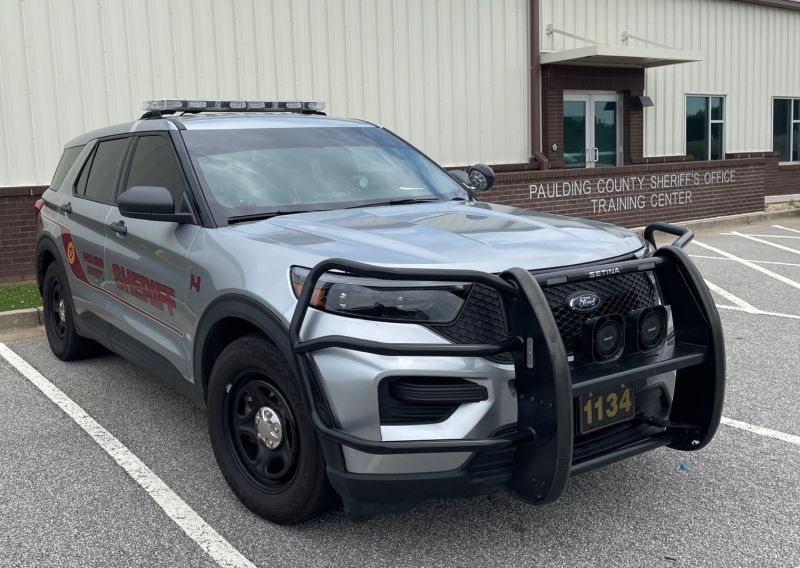
In the Spring of 2023, I was in Paulding County Georgia discussing training issues, qualities of a good field training and onboarding program, and ways to improve trainers. One of the topics discussed in a workshop/roundtable format was the question: What does the perfect FTO program look like? Much was discussed and some great practical ideas came to light. The three points provided are just a few ways to add to your program, ensure accountability and review, and create consistency in your programs.
1) Field Training link to personnel- Let’s face it, most of our organizations work as a collection of silos rather than a system. A system is a connected network, whereas a silo in an organization acts like a pit of information collected but with no link to other places. Our field training and onboarding programs need to fit in with the organizational system with communication and feedback provided across divisions. One crucial link is between our training programs and recruitment and hiring. Training programs get to see the immediate work performance of those selected and hired however often times there is no communication loop provided so reasons as to why someone was washed out, or why someone was successful are not explored. Patterns need to be examined and developed to see where recruitment and hiring can be refined. This is especially true if your trainees are failing out of your program for the same reasons. Create communication between your training programs and your personnel divisions. Allow trainers to sit on hiring board processes and attend recruiting events, and schedule meetings after each hiring class to review failures and successes.
2) Follow-up Training for Trainers- Evaluating the performance of new hires is a critical component of any training program. It is key that our evaluations have credibility and validity however this is often ignored in departments. Trainers can differ in their interpretation of evaluation criteria. For example, I often show a video of an officer performing an investigation and arrest and ask the class to rate the officer’s performance. It never fails that critical components such as communication skills, verbal direction, and officer safety scores run the spectrum from unacceptable to exceeding standards. Realize, that if your trainers don’t agree on what unacceptable and acceptable performance is there are serious validity issues with your evaluations. The conversation as to why this occurs always comes back to the interpretation and perception of the performance standard. Providing your trainers with training related to industry standards and tactics grounds them on perception related to those standards. In addition, training your trainers on common rating errors (such as central tendency, halo effect, horn effect, etc) as well as the grading and criteria scale will result in more consistent scoring and bolster the validity of your program. This leads me to the next point…
3) Clear Standard Evaluation Guidelines and Rating criteria- A review and familiarization of the guidelines used to conduct evaluations as well as the meaning of each score is imperative for your programs. For example, you might have a topic of evaluation as “written communication”. What the heck does that mean? I’d be willing to bet within your agency there are different perspectives of what effective written communication looks like. Well, this should be accompanied by a clear and precise definition of what the intended measured skill means. This should also be supported by clear criteria that outline what the expectations are for each scoring possibility. For example, if you use a (7) point rating scale (as suggested by the San Jose Model) what does each point represent? As you can see, without proper definitions, ratings and evaluations can be very subjective. This is a great opportunity for shared leadership. Bring your trainers together and redefine or review the Standard Evaluation Guidelines as well as the rating criteria. Gain insight and allow for discussion in an attempt to improve consistency and credibility in your programs.
There are many ways to improve our programs however these (3) ideas can really impact your program in big ways.
Rob Fanelli




Leave a Reply
You must be logged in to post a comment.